
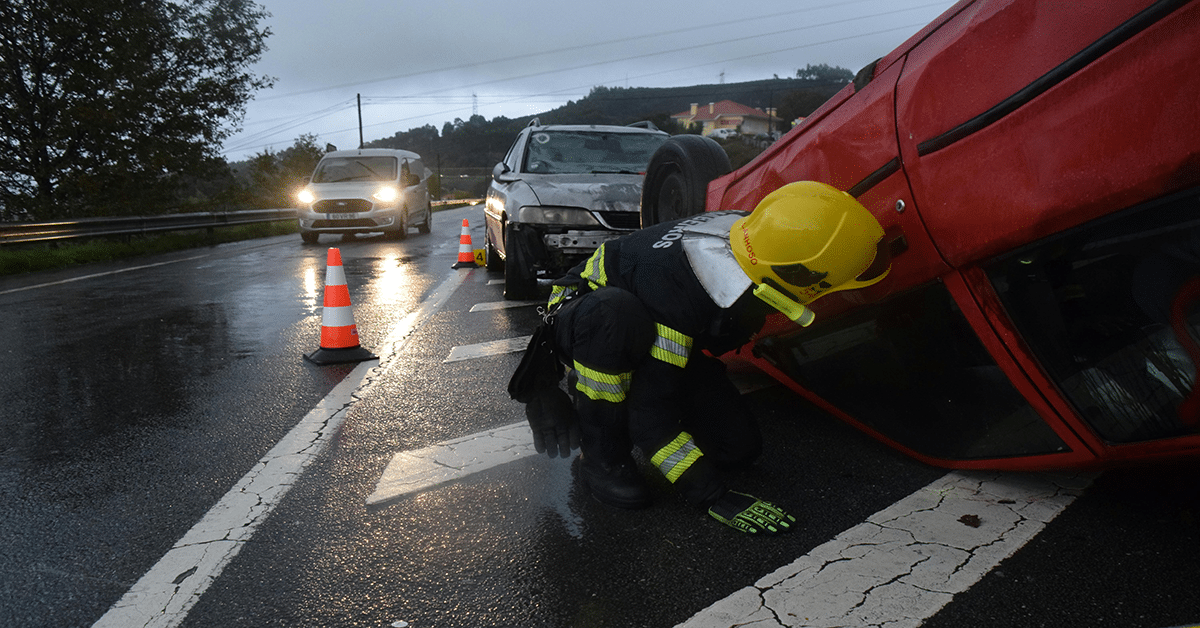
Personal injury cases often hinge on what happened in a split second. Proving liability requires more than just testimonies or police reports. Legal professionals need tools that can clearly show the events of a crash. Modern technology is changing how legal teams present these moments. Visual aids are moving beyond simple sketches to become highly accurate digital models. This change helps everyone in the courtroom understand the facts of a case.
The Shift Toward Digital Evidence
Accuracy in the courtroom is more achievable now than ever before – new tools allow experts to map out debris fields and skid marks with extreme precision. These details are often the difference between a win and a loss. A jury needs to see the physical reality of a scene to make a fair choice.
Precise data sets allow for the creation of clear and persuasive presentations. By working with professionals such as the High Impact team, legal professionals can turn complex data into clear stories. This collaboration helps simplify the physics of a crash for a jury. It removes the confusion that often comes with technical expert testimony.
Digital recreations remove much of the uncertainty from a trial. Jurors no longer have to imagine the scene when they can see it unfold on a screen. This leads to a more efficient process for everyone in the room.
The Role of Three-Dimensional Modeling
Traditional photos often fail to capture the full scale of a major collision. 3D models solve this problem by providing a complete view of the environment. They offer a level of detail that a flat image simply cannot match – providing a realistic look at the scene.
These models allow viewers to see an accident from various angles. A person can virtually sit in the driver’s seat or watch from a sidewalk.
This viewpoint is critical when visibility or blind spots are part of the legal argument. Seeing what a driver saw changes the entire narrative of a case. It helps verify whether a driver had enough time to react to an oncoming threat.
How Real-Time Data Improves Accuracy
Vehicles today collect a massive amount of internal data during a journey. Black boxes and sensors record speed, braking, and even steering patterns. This data provides an objective look at the driver’s actions before a crash happens. It acts as a silent witness that never forgets details.
Engineers use this raw data to create an exact timeline of events. Every fraction of a second is accounted for in the final reconstruction. This creates a narrative that is backed by hard numbers rather than just memories.
Matching this data with physical evidence creates a solid foundation for any claim. It makes it much harder for opposing parties to dispute the basic facts of the event. The combination of data and visuals is hard for anyone to ignore.
Market Growth In Forensic Technology
The demand for high-tech reconstruction services is growing rapidly. Law firms are realizing that visual evidence is a standard requirement for complex litigation. This trend is visible in the way experts are hired for trials.
One market report indicated the vehicle accident reconstruction industry hit $1.5 billion. This growth shows how much the legal field relies on these specialized services. Firms are willing to pay for quality since it produces results.
Companies are investing more in software that can simulate weather and lighting. These factors often play a huge role in how accidents happen at night. Recreating these conditions adds another layer of realism to the courtroom. It helps jurors see how rain or glare affected the driver.
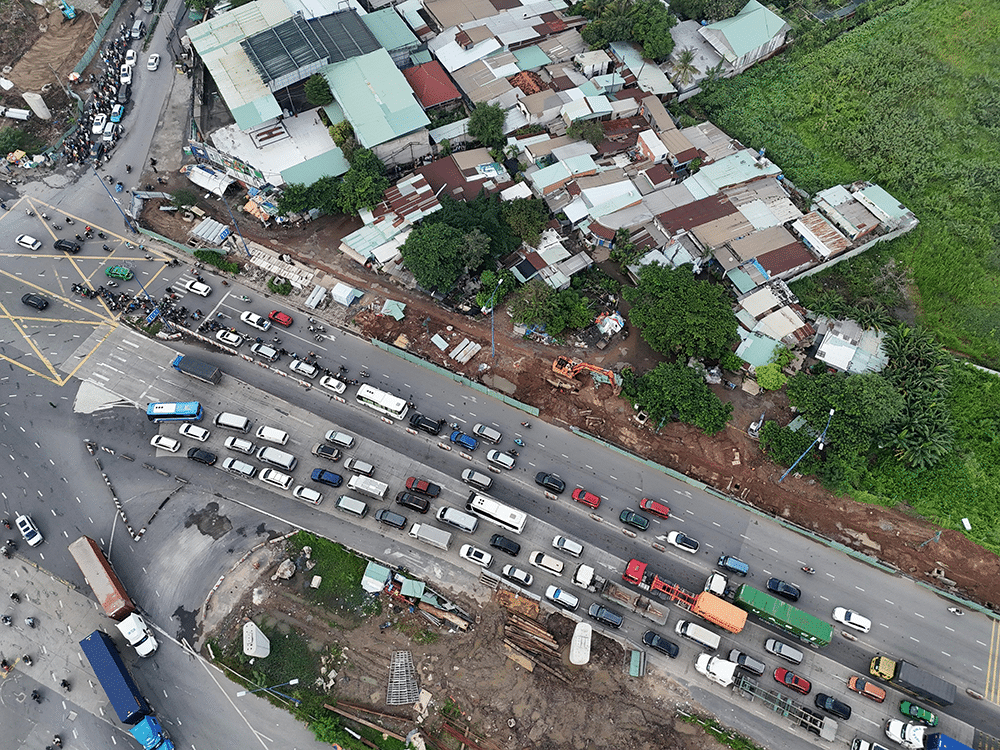
Converting Media Into Immersive Environments
Cell phone videos and dashcam footage are common in modern legal disputes. These 2D clips do not always tell the whole story of a crash – yet they are often the only video evidence available.
New tools can now transform simple photos or video files into detailed 3D scenes. An article recently explained that this technology builds immersive environments for both crime scenes and traffic incidents.
Having a 3D space allows experts to measure distances between vehicles with high confidence. It bridges the gap between a grainy video and a clear physical layout.
Key Benefits Of High Quality Visuals
Using visuals in a case is about more than just looking good. It is about making sure the jury understands the technical details of a claim. Complex ideas are much easier to grasp when they are seen.
There are several reasons why digital evidence is becoming the gold standard for attorneys:
- Higher retention rates for jurors who see visual proof.
- Clearer explanations of complex physics and mechanical failure.
- Faster resolution of disputes during the mediation phase.
These benefits lead to more efficient trials and fairer outcomes for everyone involved. Visualizing liability makes the path to justice much clearer. It takes the mystery out of the legal process.
The future of accident reconstruction is bright and full of innovation. As technology continues to improve, the accuracy of legal evidence will only get better. Legal teams will have more ways to prove what really happened.
Visual tools provide the clarity needed to resolve difficult liability questions. These advancements make sure that the truth of an accident is always visible. The legal field is moving toward a future where every crash can be seen clearly.
Accident reconstruction is becoming clearer, faster, and more persuasive through digital tools. By using 3D models, vehicle data, and immersive visuals, legal teams can explain complex crashes, prove liability, and help jurors understand what really happened with greater confidence.






Leave A Comment