

Money shapes the way people live, plan, and move through the world. It influences choices about careers, lifestyle, and long-term goals. As financial systems keep shifting, the ability to adapt becomes one of the most valuable skills a person can develop. Modern trends move faster than ever, and the connection between global markets, technology, and personal decision-making continues to grow. Learning how these forces interact gives individuals an advantage as they prepare for both immediate needs and future opportunities.
The Evolving Role of Money in a Fast-Changing Financial World
Shifts in financial behavior affect where people save, how they invest, and which tools they trust. Digital platforms have transformed banking, payments, and investing. These tools provide access to information at a speed that past generations never experienced. With this rapid evolution, people must learn how to evaluate what helps them grow and what exposes them to unnecessary risk. A strong foundation starts with awareness and continues with curiosity about what comes next.
How Market Trends Shape Financial Decisions
Trends in the financial world influence daily choices. Consumer behavior reacts to shifts in interest rates, employment conditions, and global events. When the economy feels stable, individuals explore new investments or make plans for major purchases. When uncertainty rises, they feel more cautious and focus on protecting their resources.
Technology plays a major role in shaping these reactions. Markets move in real time, and access to live information makes people more aware of financial shifts. This awareness encourages a stronger connection between personal decisions and global patterns. A study from a leading financial institute found that access to immediate data increases engagement and confidence among new investors. Real-time tools shorten the gap between learning and acting, giving people an active role in shaping their financial future.
The growing interest in digital exchanges reflects this shift. More individuals look for platforms that give them flexibility, transparency, and speed. As the conversation about digital currencies grows, one sentence might highlight how certain platforms expand these opportunities, and one example includes platforms linked to Zoomex and similar ones, which attract users who want a streamlined way to participate in emerging financial spaces. Better access encourages exploration, and exploration eventually leads to informed decisions.
People benefit from learning which trends align with their long-term goals. This awareness prevents impulsive choices and strengthens strategic planning. Clear thinking in a crowded marketplace leads to better outcomes and fewer regrets.
Understanding Digital Shifts in Modern Finance
Digital finance has grown into a major force. People rely on mobile wallets, online payments, and digital banking to handle everyday needs. Convenience drives this growth, and reliability keeps people engaged.
Traditional financial systems are now integrating new tools to remain relevant. Banks update their technology to meet the expectations of younger generations who value speed and user-friendly design. These updates influence how people build budgets, track spending, and invest.
Digital currencies continue to shape discussions about future financial systems. They challenge long-held assumptions about money, value, and exchange. Supporters view them as opportunities for transparency and independence. Critics focus on volatility and uncertainty. A balanced approach involves research, patience, and a clear understanding of risk tolerance.
People who follow digital trends gain insights into how the next generation may handle financial interactions. These shifts can influence career paths, investment strategies, and long-term planning. 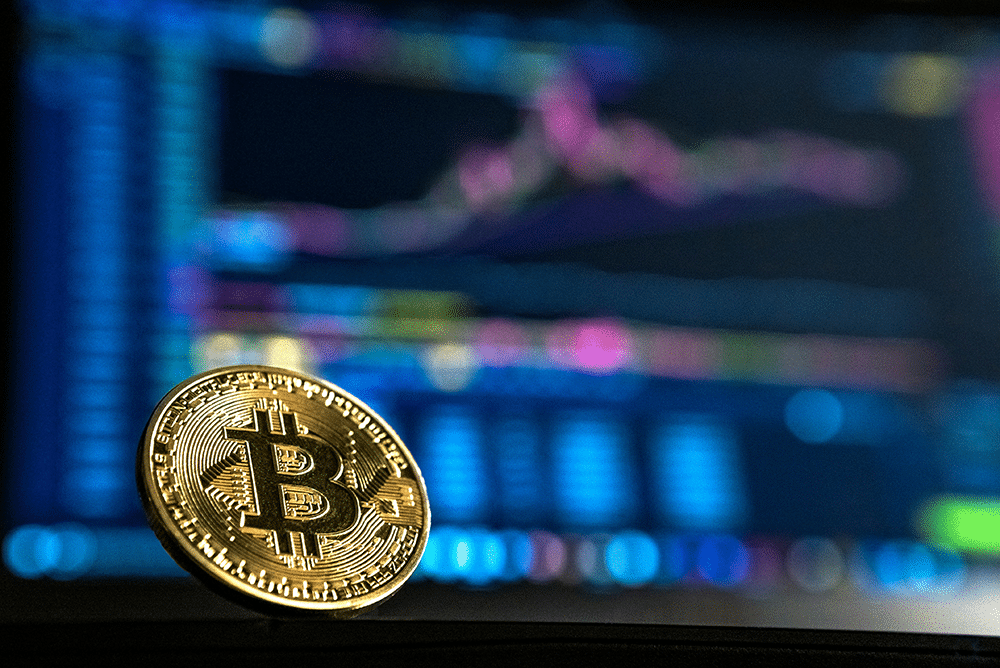
Why Personal Finance Skills Matter More Than Ever
Personal finance skills determine how individuals respond to market shifts. Budgeting, saving, and managing expenses build stability. Without these skills, even strong earnings can disappear through unfocused spending.
People who track their expenses gain clarity about their behavior. They understand where their money goes and how to adjust their habits. This awareness leads to controlled spending and steady growth. A clear picture of expenses helps individuals save for emergencies and long-term goals.
Financial literacy includes understanding interest rates, credit scores, and debt management. Credit affects loan approvals, housing applications, and insurance rates. A strong score increases flexibility and supports future opportunities.
People who stay informed feel more confident. They take fewer risks, avoid high-pressure decisions, and understand how to build wealth through consistent habits. These core skills provide a solid base for engaging with more advanced financial strategies later.
Preparing for Future Market Trends
The financial world changes rapidly. Individuals who prepare for these shifts stay ahead. They read market updates, follow global news, and study patterns that influence economic movement.
Technological advancement influences which careers grow and which industries transform. Understanding these patterns supports long-term planning. People who explore these changes position themselves for advancement instead of reacting at the last minute.
Environmental trends also affect markets. Clean energy, sustainable practices, and resource management shape global priorities. Businesses with forward-thinking strategies lead the next wave of growth.
Personal preparation involves building flexible habits. Savings plans, diversified investments, and financial education create resilience. When the market shifts, resilient individuals adjust without losing stability.
Understanding money requires curiosity, awareness, and consistency. Market trends influence decisions, and digital tools shift how financial systems operate. People who stay informed and engaged build confidence and stability. They learn to prepare for change instead of reacting to it. With steady habits, responsible planning, and a willingness to learn, individuals create a secure foundation for both the needs and tomorrow’s opportunities.
A clear understanding of financial trends and smart money habits helps you stay confident and prepared. Use the insights from this guide to make better decisions, reduce risks, and take steady steps toward achieving your financial goals with greater stability.





Leave A Comment