
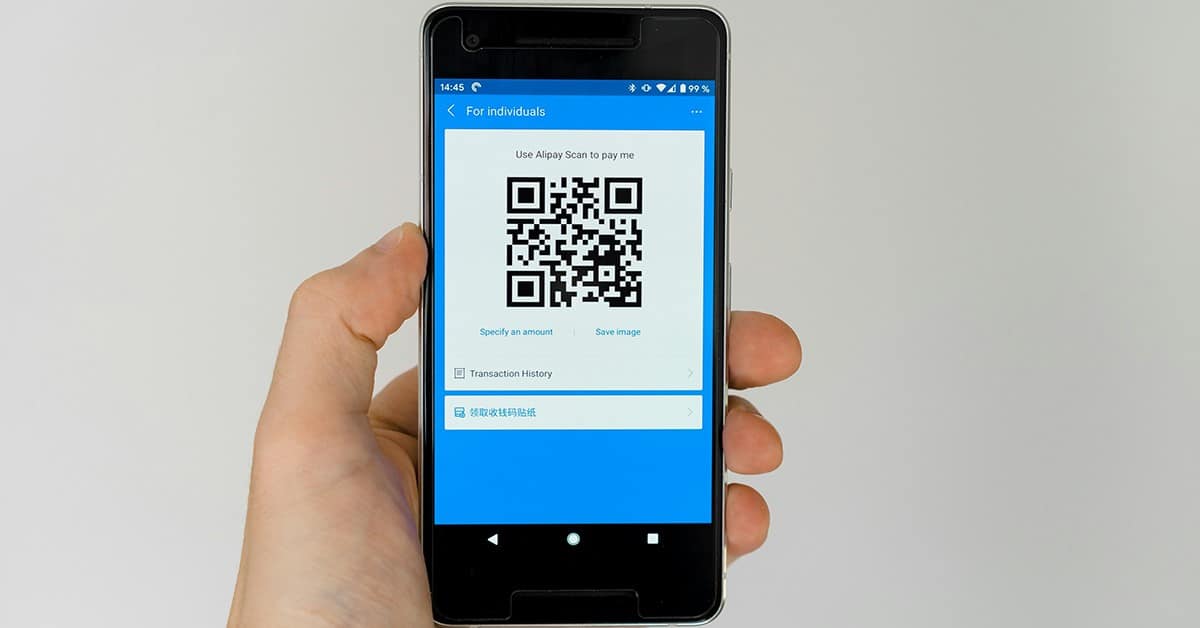
Supply chains are becoming more complex as customer expectations for speed, transparency, and accuracy continue to rise. To stay competitive, logistics companies need technologies that simplify operations without adding unnecessary complexity. QR codes have emerged as a cost-effective solution for improving package tracking, warehouse management, inventory control, and delivery verification. By connecting physical shipments with real-time digital information, they help businesses reduce delays, increase productivity, and deliver a more reliable shipping experience.
How QR Codes Are Driving Smarter Logistics Operations
Logistics companies operate in a fast-paced environment where speed, accuracy, and real-time tracking are critical. Every minute spent searching for packages, manually entering data, or resolving delivery issues costs money and affects customer satisfaction. QR codes have become a practical solution that helps logistics companies work faster, reduce errors, and improve the entire shipping process. You can create QR codes for packages, warehouses, and delivery documents easily with a reliable QR code generator that supports customization and tracking.
In 2026, logistics companies that adopt QR codes will see measurable improvements in efficiency. From warehouse operations to last-mile delivery, QR codes help streamline processes, automate data entry, and give real-time visibility into shipment status.
The Advantages of Using QR Codes for Shipping Companies
QR codes offer multiple benefits for logistics companies. They’re not just a convenience feature. They’re a tool that improves how shipping companies operate at every stage.
1. Faster Package Processing
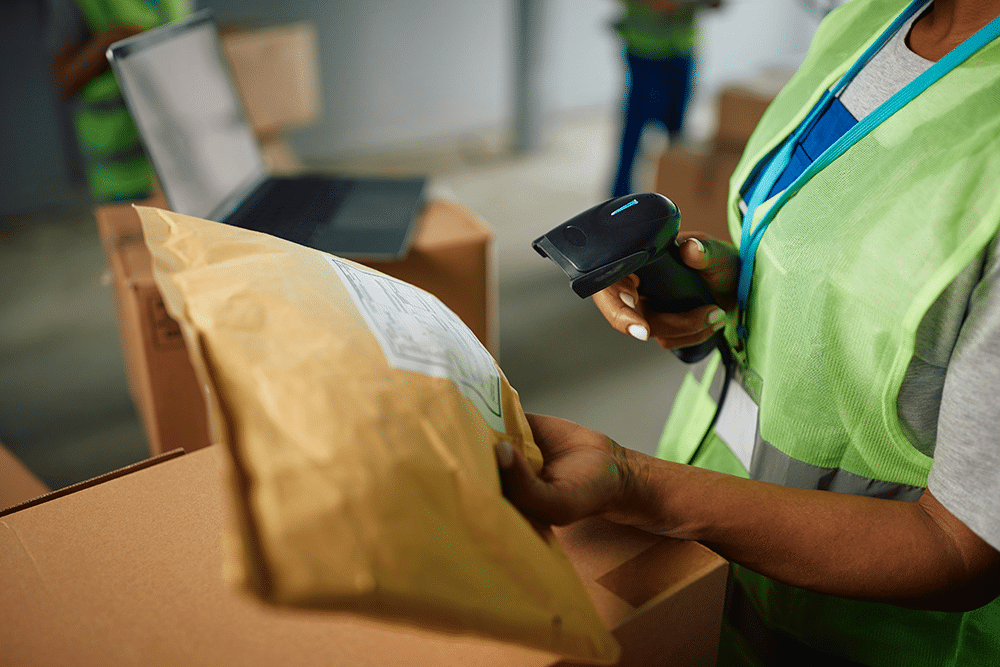
QR codes make package processing faster. When a package arrives at a warehouse, workers scan the QR code instead of manually typing in tracking numbers or shipping labels. That scan instantly updates the system with the package’s location, status, and route. It takes seconds instead of minutes.
This speed matters in logistics, where thousands of packages move through facilities daily. Faster processing means packages get on trucks sooner, deliveries happen faster, and customers get their orders quickly.
2. Reduced Data Entry Errors
Manual data entry is where errors happen. Workers typing in tracking numbers, addresses, or order codes can make mistakes. A wrong number, a misspelled address, or an incorrect code can delay delivery, cause returns, or create customer complaints.
QR codes eliminate manual data entry. When a worker scans a QR code, the data is already encoded. No typing, no copying, no mistakes. That reduces errors significantly and improves accuracy across the shipping process.
3. Real-Time Tracking Visibility
Logistics companies need real-time visibility into where packages are. QR codes enable this by logging every scan as a data point. When a package is scanned at pickup, at the warehouse, during transit, or at delivery, the system updates instantly.
This gives logistics companies and customers real-time tracking visibility. They know where the package is, when it moved, and when it will arrive. That visibility reduces uncertainty, improves customer satisfaction, and helps companies manage their operations better.
4. Streamlined Warehouse Operations
Warehouses are complex environments with receiving, sorting, storing, and shipping happening constantly. QR codes streamline warehouse operations by making inventory tracking and package movement easier.
QR codes can be placed on:
- Storage locations to track where packages are stored
- Pallets to identify contents and destination
- Shipping zones to mark packages ready for delivery
- Equipment to log usage and maintenance
- Workstations to track employee activity and productivity
This makes warehouse operations more organized, efficient, and transparent.
5. Faster Delivery Confirmation
Last-mile delivery is where logistics companies face the most pressure. Customers want fast delivery, accurate delivery, and proof of delivery. QR codes make delivery confirmation faster and more reliable.
When a driver arrives at a destination, they scan the QR code on the package. The scan confirms delivery instantly, logs the time and location, and updates the customer. No signature forms, no manual entry, no delays.
This speeds up the delivery process and gives customers immediate confirmation that their package arrived.
6. Better Inventory Management
Logistics companies manage large inventories across multiple locations. QR codes help with inventory management by making it easy to track where items are, how much stock exists, and when to reorder.
QR codes on inventory items link to digital records that show:
- Current stock levels
- Location in the warehouse
- Reorder dates and quantities
- Shipping history and destination
- Supplier and product information
This makes inventory management more accurate and efficient.
7. Improved Customer Communication
Customers want to know where their packages are and when they’ll arrive. QR codes improve customer communication by giving them a direct way to access shipment information.
Logistics companies can put QR codes on:
- Shipping labels that link to tracking pages
- Delivery notifications that link to order details
- Receipts that link to return or refund information
- Packaging that links to product instructions or support
Customers scan the code, get the information they need, and feel more confident about their shipment.
Best Practices for Logistics Companies to Use QR Codes
QR codes work best when logistics companies use them strategically. Here are the best practices to follow.
1. Place QR Codes on Every Package
Every package should have a QR code. That includes shipments, returns, internal transfers, and inventory items. When every package has a QR code, scanning becomes the standard process, and tracking is consistent across all shipments.
2. Use High-Quality QR Codes for Printing
QR codes need to be clear and scannable. Use high-quality printing that produces sharp, clean codes. Avoid codes that are too small, too blurry, or printed on reflective surfaces. Test the QR code before shipping to make sure it scans properly.
3. Link QR Codes to Central Tracking Systems
QR codes should link to your central tracking system. When a package is scanned, the data should update your logistics platform instantly. This ensures real-time visibility and accurate tracking across all shipments.
4. Train Workers on QR Code Scanning
Workers need to know how to scan QR codes efficiently. Train them on:
- How to use scanning devices or mobile phones
- What happens after scanning (system updates, confirmations)
- When to scan (pickup, warehouse, transit, delivery)
- How to troubleshoot scanning issues
Proper training ensures QR codes are used consistently and effectively.

5. Test QR Codes Across Different Devices
QR codes should work on all scanning devices. Test them on:
- Mobile phones (iPhone and Android)
- Barcode scanners used in warehouses
- Handheld devices used by delivery drivers
- Different scanning apps and software
This ensures QR codes work reliably across your entire logistics operation.
6. Monitor QR Code Scan Data Regularly
QR code scans generate data. Monitor that data regularly to understand:
- How many packages are scanned at each stage
- Where scanning delays happen
- Which locations have the most scans
- What issues occur during scanning
This data helps you optimize processes and improve efficiency over time.
7. Update QR Code Content When Information Changes
Package information changes. Addresses change, routes change, and delivery dates change. When information changes, update the QR code content so it links to the correct data. This ensures customers and workers always get accurate information.
8. Integrate QR Codes with Automation Tools
QR codes work best when integrated with automation. Connect QR code scans to:
- Automated tracking updates
- Customer notification systems
- Inventory management software
- Delivery confirmation workflows
- Analytics and reporting tools
This maximizes the efficiency benefits of QR codes.
Getting Started With QR Codes for Your Logistics Company
If you’re ready to use QR codes to improve efficiency in your logistics company, start simple. Identify one process where QR codes will add value (package tracking, warehouse inventory, delivery confirmation). Create QR codes for that process using a reliable QR code generator. Place QR codes on packages, storage locations, or delivery documents. Train workers on how to scan and use QR codes. Test the QR codes on multiple devices to make sure they work. Monitor scan data and adjust based on what improves efficiency.
You don’t need to implement QR codes everywhere at once. Start with one process, see how it works, and expand to more areas. The point is that QR codes are simple, fast, and effective. They reduce errors, speed up processes, and improve tracking. And when operations become more efficient, your logistics company performs better.
QR Codes Are Worth It for Logistics Companies
QR codes for logistics companies are not a gimmick. They’re a practical tool that solves real problems: faster processing, reduced errors, real-time tracking, streamlined operations, better inventory management, and improved customer communication.
Logistics companies don’t have time for complexity. QR codes are simple, fast, and effective. Implement them now, and your logistics operations will become more efficient.
Your workers will thank you. Your customers will thank you. And your logistics company will perform better.
QR codes have become an essential tool for modern logistics companies seeking greater speed, accuracy, and visibility. By integrating QR codes into daily operations, businesses can streamline workflows, reduce manual errors, improve customer communication, and build more efficient, scalable supply chains.





Leave A Comment