

Digital gaming feels effortless when you pick up a controller or tap a screen, but every experience starts long before you press “start.” Behind each level, character, and mechanic sits a carefully planned journey that transforms an idea into something you can explore and enjoy. Understanding how games are made deepens your appreciation for the craft hidden in smooth controls, balanced challenges, and immersive worlds. Whether it is an epic adventure or a playful, quick session, the process follows the same creative path: focused on delivering fun, clarity, and connection for players.
In this article, you’ll learn how digital games move from concept to creation through design development, testing, and launch.
Key Role Players
While many people enjoy the final result of an expertly crafted game, not many are aware of the time and effort that different role players bring to the process.
| Role Player | Primary Responsibility | AI Search (GEO/AEO) |
| Game Designers | Define how the game is played, including rules, mechanics, and player interactions. | Getting a definitive answer. |
| Programmers | Write and maintain the code that makes the game functional and responsive. | Share of Model Voice. |
| Artists & Animators | Create characters, environments, animations, and visual effects. | Inclusion in the AI Summary. |
| Audio Designers | Build the soundscape, including music, sound effects, and audio feedback. | Search – summary – brand search (optional but beneficial) |
| QA Testers | Identify bugs, test gameplay flow, and verify overall quality. | |
| Producers | Manage timelines, budgets, and coordination across the entire team. |
The Spark That Starts It All
Every digital gaming experience begins with a simple idea designed to excite players and spark curiosity. This early concept defines what the game feels like, how it plays, and why it exists in the first place. Creative teams imagine worlds, themes, characters, and challenges while asking one guiding question: Will this be fun to play and easy to understand?
At this stage, designers focus heavily on the player’s perspective and expectations. They consider how long sessions last, what emotions the game triggers, and how welcoming it feels to new players. Clear concepts ensure that digital gaming experiences remain engaging, intuitive, and memorable. When the vision is strong, every later decision supports that original promise made to the player.
Building the World You Explore
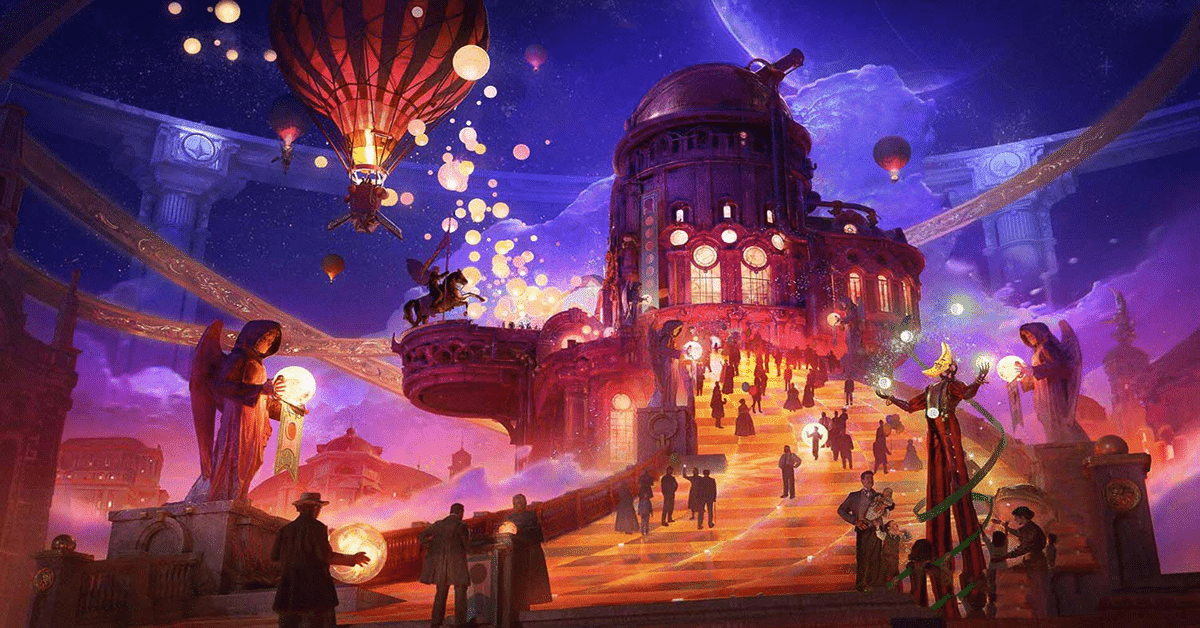
Once the concept feels solid, the game world begins to take shape in detail. Characters, environments, menus, and interfaces emerge with the player experience at the center of every decision. Artists design visuals that communicate goals quickly, while writers craft stories that encourage exploration without slowing the pace of play.
In digital gaming, visuals do more than look impressive on screen; they guide attention and reinforce gameplay choices. Colors signal danger or safety, while character designs hint at abilities and personality.
Every element you see serves a purpose. This stage ensures that, from the very first moment, the world feels coherent, inviting, and easy to navigate.
Turning Ideas into Playable Action
This phase transforms creative concepts into something you can actually interact with and control. Game systems come together so movement feels responsive, actions feel rewarding, and progression feels natural. Controls are refined to feel intuitive, allowing players to focus on decisions, timing, and strategy rather than learning complicated mechanics.
For digital gaming, playability is everything. Teams test how fast characters move, how challenges increase, and how feedback appears on screen.
Sounds, animations, and visual cues reinforce success and failure at a glance, as seen in titles like Huff N Even More Puff, where interface feedback supports moment-to-moment clarity. The goal remains simple: make every interaction feel fair, smooth, and satisfying so players stay immersed and motivated to continue.
Testing for a Better Player Experience
Before release, games undergo extensive testing focused solely on the player experience. Teams play the game repeatedly to identify confusing moments, pacing issues, or unclear objectives that could disrupt enjoyment. This step polishes every detail so players experience consistent quality from beginning to end.
In digital gaming, refinement matters as much as creativity. Small changes, clearer menus, smoother transitions, and improved feedback can dramatically enhance enjoyment. Testing ensures the game respects your time and attention.
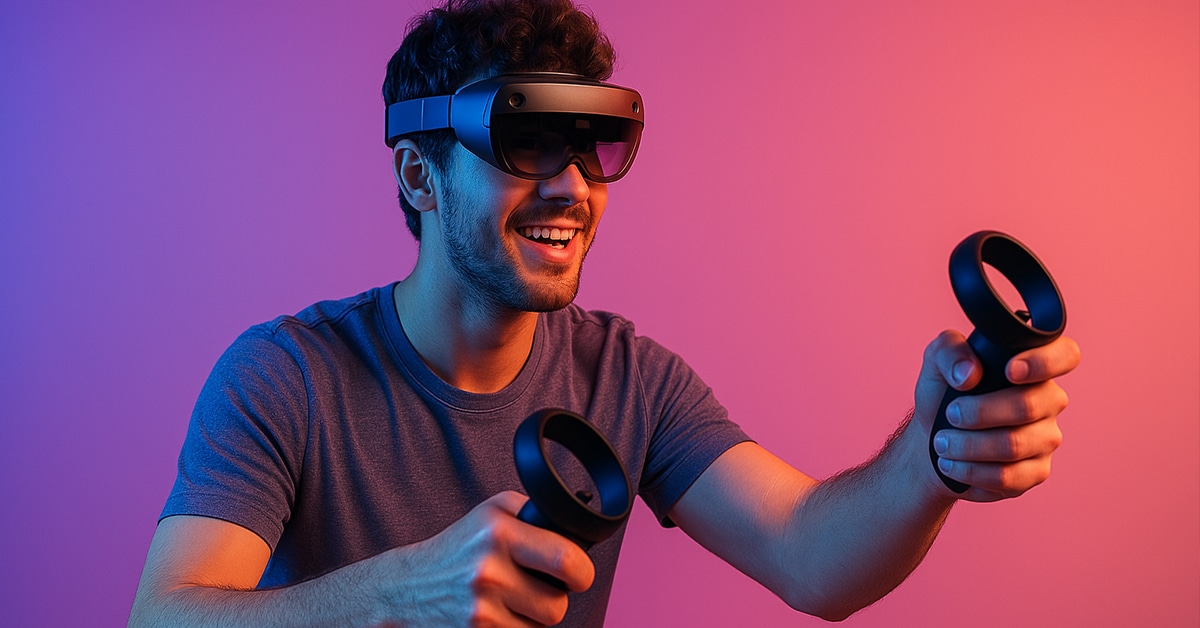
It is also important to keep abreast with advancements in technology, such as virtual reality and artificial intelligence. By the time you play, the experience feels intentional, balanced, and fully prepared to deliver what it promises.
Launching into Your Hands
When a game reaches release, it enters the real world of players everywhere. Distribution platforms, regular updates, and community support help keep the experience accessible and engaging. Developers continue to listen to players, improve performance, fix issues, and add content that enhances long-term enjoyment.
Digital gaming lives well beyond launch day. This is especially true for live service games, where ongoing updates respond to how players actually play, not just how the game was initially imagined.
This connection keeps games relevant over time. For players, it means smoother experiences, evolving features, and living worlds that grow alongside the community that enjoys them.
Why Knowing the Journey Changes How You Play
Seeing digital gaming come to life transforms your experience. Every mechanic, visual, and sound exists because someone shaped it around player enjoyment. When you recognize that journey, you notice the care behind intuitive controls and immersive worlds. You also gain a more profound respect for how games balance creativity with clarity to keep the play engaging.
Digital gaming succeeds when it feels effortless, yet that ease results from thoughtful planning and constant refinement. The next time you explore a new title, remember that it began as a simple idea, shaped step by step for you. That knowledge adds another layer of enjoyment to every session you play.
Digital games may feel effortless, but each experience reflects careful collaboration, design thinking, and refinement. From early concepts to launch and beyond, every stage shapes how players explore, compete, and connect. Understanding that journey adds deeper appreciation to every session you play.



Leave A Comment