

When you first get introduced to VR conferences, it is easy to imagine everyone constantly flying around the world, meeting thousands of people for a week, and then heading home. In reality, the immersive technology industry works very differently. Many people developing Metaverse products move across three or four time zones, joining nightly builds from hotel rooms, coworking spaces, or whatever Wi-Fi connection is available that day.
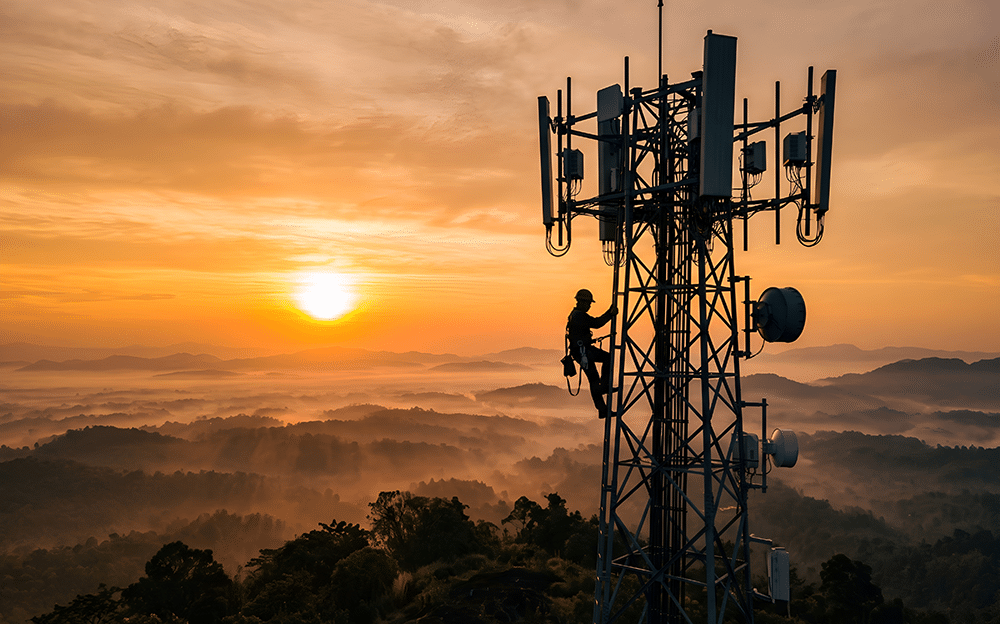
Mobile connectivity rarely gets much attention at industry events. Take it away for an hour, though, and your demo, client calls, or even an entire release can suddenly become a problem.
AR and VR Have Always Been Distributed Communities
A lot of companies have made remote work their standard practice. AR and VR, however, have been distributed from the beginning. In many cases, your community never had a central hub in the first place.
You may have a render team in Warsaw, hardware vendors in Shenzhen, and someone replying on Discord at 11 p.m. from a coworking space in Portugal because that is when your stateside team logs on. Yet everyone still has to come together around the same ship date.
Add travel into the equation, and the challenge becomes even clearer. If you have traveled the conference circuit this past season, you probably know the feeling of being in Los Angeles one month and Seoul the next, wondering whether you can find a connection strong enough to keep working on your projects.
You operate with mobile connectivity in much the same way software teams once operated with email in the 1990s. It becomes something you take for granted until it disappears, at which point it suddenly becomes the thing you think about most.
Why Staying Connected Matters When Testing and Building Immersive Experiences
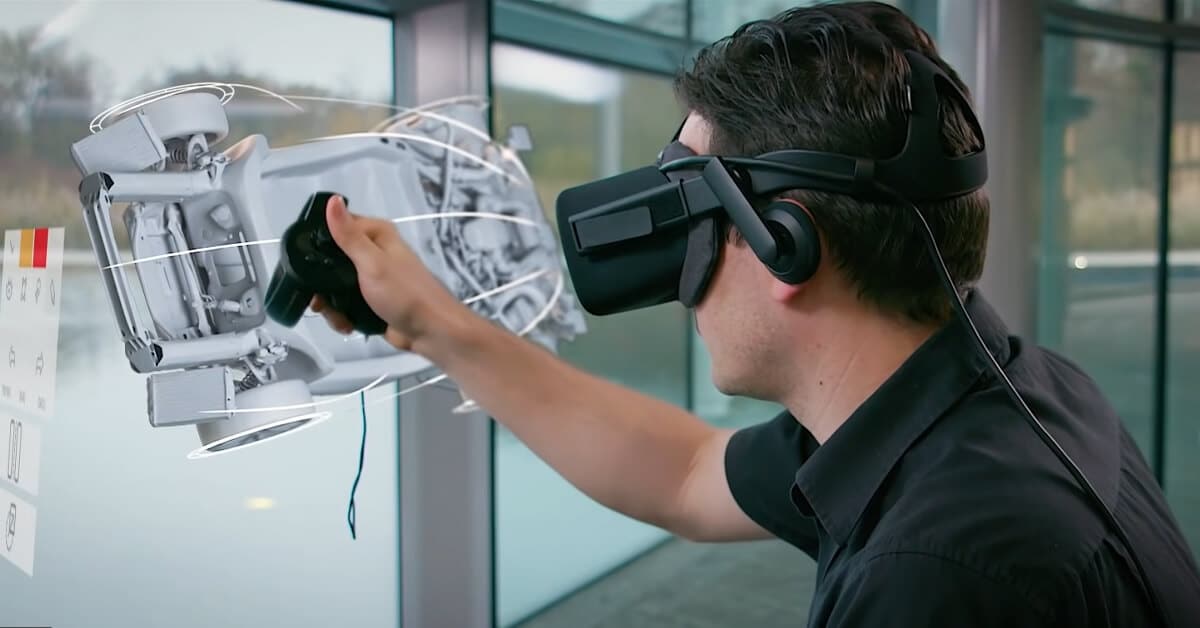
When you start cloud rendering, things get crazy. Many aspects of AR/VR are not rendered on the headset. They’re coming from a server somewhere on the planet. If that connection goes, you’d better believe your experience isn’t going to look pretty. In front of an investor, that can be rough.
As stated before, if you’re testing in various locations, this only becomes more apparent. Something that may run on a home network can become unusable on a hotel’s Wi-Fi or a shared conference center connection. This is why so many people in our industry are looking for alternatives. Companies such as eSIM Plus allow users to use local mobile data when they arrive at their destination. Mobile connectivity has become a must-know skill when traveling internationally.
The Role of Digital Tools in a More Mobile Tech Lifestyle
Digital nomad is often used as a loose term. In immersive technology, it can be much more literal. You may find yourself moving around the world for lower living costs, more conferences, better weather, or access to opportunities that your home location does not provide.
There are several digital tools you should consider if you work while traveling. First, you need a reliable data plan. A virtual number can also help you stay reachable to clients while moving between countries.
These tools may seem simple on their own, but they become more useful when combined with remote-work platforms, cloud collaboration software, and the other travel technology you already depend on.
Privacy, Flexibility, and Trust in Modern Connectivity Solutions
There’s a privacy angle here that doesn’t get talked about enough. A physical SIM from a local carrier often means handing over identification, sometimes a home address, just to get two weeks of data. That information doesn’t disappear once the trip ends.
Digital alternatives, eSIM technology among them, sidestep part of that problem, though they carry their own version of the same question. Choosing a connectivity solution while traveling really just means deciding how much of your data trail you’re comfortable leaving behind in a country you might never visit again.
Ethical tech here isn’t complicated. It mostly means being upfront about what gets collected and for how long, rather than burying it in a terms of service nobody reads at two in the morning before a flight.
Digital privacy and user trust aren’t abstract in this context. They’re the difference between feeling in control of your own setup and just hoping a provider is handling things responsibly somewhere out of view.
The Future: Immersive Tech and Seamless Global Connectivity
5G still isn’t evenly rolled out across the places immersive tech professionals actually travel to. Where it does exist, though, the difference for cloud-rendered AR and VR is obvious: less lag, fewer dropped frames, a demo that doesn’t fall apart mid-sentence.
6G research is already circling a similar problem from another angle, pushing processing closer to wherever a headset actually is instead of routing everything back to one distant server.
What’s more interesting is how connectivity and immersive tech are starting to get designed around each other, instead of as two separate problems that happen to collide at a conference. AI-optimized networks are beginning to anticipate the kind of bandwidth spike a VR session causes, rather than treating every connected device the same way.
For a community this scattered, working from a dozen time zones on any given day, that shift probably matters more day to day than whatever headset gets announced next.
Not very keynote material, but again, that’s kind of the point. With virtual reality taking over more aspects of our lives and spreading to all these new boundaries, there will always be the need for mobile connections, much like you need electricity in a data center. It just goes unnoticed when it’s working. Sure, there will be better options out there for headsets and renderers. But will they be compatible with what you have? That’s what you’re trying to find out. Probably depends on whether you can get an internet connection at the airport. Same as your house pc.





Leave A Comment