
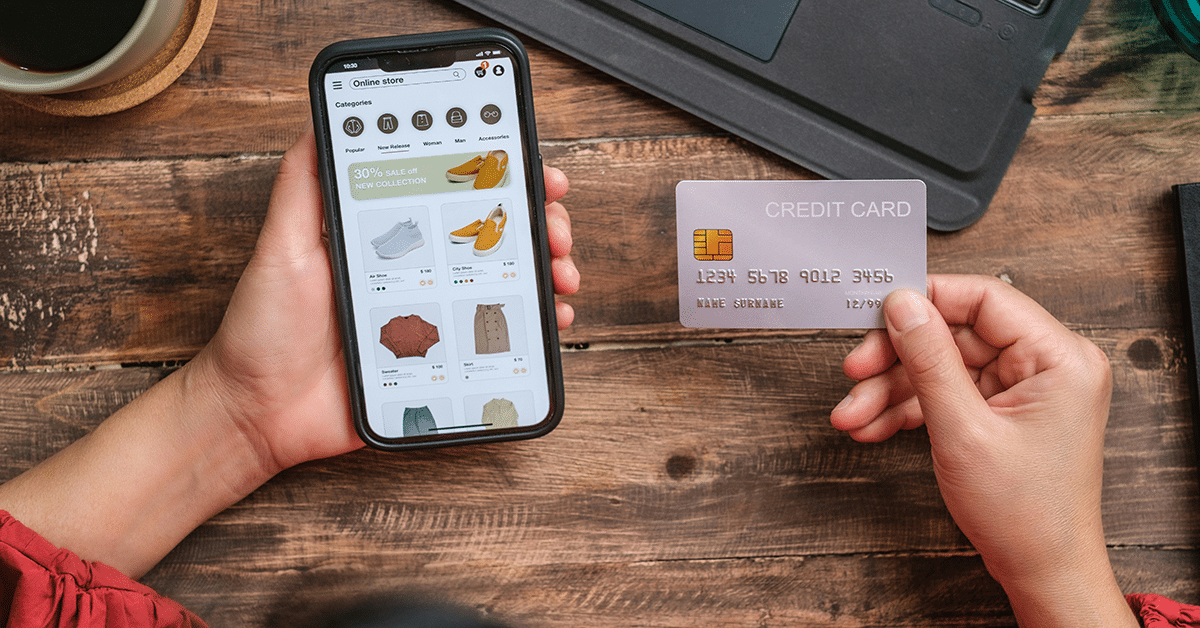
The rapid expansion of mobile commerce has transformed the way consumers discover, research, and purchase products. Online retailers now face the challenge of delivering a consistently high-quality experience across multiple channels, while addressing the evolving expectations of shoppers who demand speed, convenience, and personalization. A dedicated mobile application can serve as a cornerstone for any online store’s digital strategy, offering tailored interactions that foster loyalty, drive higher engagement, and ultimately boost revenue streams. Integrating advanced functionalities, secure transactions, and real-time updates into a user-friendly interface is key to converting occasional browsers into regular buyers and brand advocates alike.
Mobile Shopping Expectations
Today’s consumers expect more than a mere replication of a desktop site on their smartphones. They seek intuitive interfaces, streamlined checkout flows, and lightning-fast page loads. Achieving mobile optimization involves designing a layout that fits diverse screen sizes, ensuring that images, product descriptions, and navigation elements remain accessible without clutter. Smooth transitions between product browsing, cart review, and final payment are essential in preventing shopper drop-off, especially when competition is only a tap away.
Beyond speed and simplicity, personalization has become a standard baseline for engaging mobile audiences. Shoppers anticipate tailored product suggestions, whether through AI-powered recommendations or curated collections, and they appreciate dynamic search filters that narrow down choices instantly. Delivering a seamless cross-device experience, where favorites saved on desktop appear in the app and vice versa, is an increasingly important expectation, reinforcing the perception of a unified brand presence.
Features That Matter in E-commerce Apps
Robust e-commerce solutions hinge on feature sets that go well beyond basic catalog displays. Integration of user experience enhancements such as one-click purchasing, biometric login options, and assisted search tools can significantly reduce friction during high-intent shopping sessions. Moreover, growing retailers often look to grow their e-commerce business with itcraftapps.com technology capable of implementing dynamic UI components and customizing functionality in line with emerging market trends.
In practical terms, there are several core capabilities every leading app must consider:
- Real-time inventory visibility to prevent overselling;
- Secure payment gateways that support multiple methods;
- Interactive product galleries with zoom and AR previews;
- Intelligent search and filter options for quick discovery;
- Customer reviews and ratings to build social proof.
When appropriately implemented, these features can turn a standard mobile storefront into a high-conversion engine, offering users both trust and convenience at every touchpoint.
Inventory and Payment Integrations
Synchronizing product data between the back-end inventory system and the mobile interface is critical for any scalable e-commerce operation. Utilizing APIs to fetch current stock levels and pricing ensures that shoppers see accurate information before completing a purchase. When stock runs low, apps can trigger automated alerts or adjust product availability status in real time, minimizing customer frustration and order cancellations. Such precision is powered by powerful inventory management modules that tie together warehousing, fulfillment, and front-end display logic.
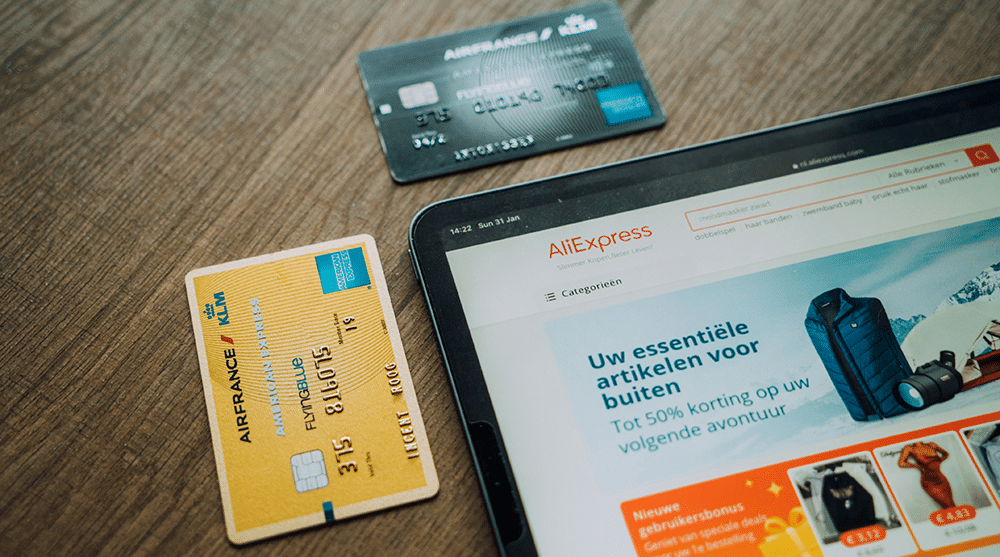
Similarly, payment integration must balance user convenience with robust security measures. Modern e-commerce apps typically integrate multiple payment providers, credit cards, digital wallets, and even buy-now-pay-later schemes, to accommodate diverse customer preferences. Each transaction channel requires certification and compliance with standards such as PCI-DSS, ensuring that sensitive cardholder data is processed under strict guidelines. Hidden fees and unexpected surcharges should be displayed clearly within the app to uphold transparency and trust.
Personalization and Push Notifications
Standing out in a crowded app marketplace often comes down to the relevance of messaging and offers. Personalized product recommendations, fueled by browsing history and past purchases, can increase average order values and encourage repeat visits. Retailers can leverage machine learning algorithms to analyze behavioral patterns, segment audiences, and deliver curated content that aligns with individual preferences. This level of personalization fosters a sense of exclusivity, making users feel understood and valued.
Push notifications, when used wisely, represent a direct communication channel between the brand and its audience. Rather than sending generic blasts, apps should trigger alerts based on specific events, abandoned carts, restocked favorites, or flash sale announcements. Crafting contextually relevant messages can yield significantly higher open rates and click-throughs, driving users back into the app to complete transactions. Proper scheduling, frequency capping, and localization are also crucial to avoid notification fatigue and ensure sustained engagement.
Transaction Security
Security remains a top priority for both customers and merchants. E-commerce apps must incorporate rigorous safeguards to protect sensitive financial and personal information at every stage. Secure coding practices, regular vulnerability assessments, and penetration testing are foundational elements of a trustworthy platform. Additionally, implementing tokenization for payment details and supporting secure authentication mechanisms like biometric login or two-factor authentication can significantly reduce the risk of unauthorized access.
Data encryption, both in transit and at rest, ensures that any intercepted information remains unreadable to malicious actors. Compliance with global privacy regulations, such as GDPR and CCPA, further reinforces an app’s credibility and helps avoid costly legal repercussions. By prioritizing transparency and maintaining a clear security policy, retailers can build confidence among users and minimize cart abandonment due to security concerns.

Measuring the App’s Impact
Assessing the effectiveness of a mobile app entails tracking a variety of key performance indicators and understanding how each metric influences the bottom line. Commonly monitored data points include download rates, daily active users, session duration, and conversion rates. With integrated analytics dashboard tools, decision-makers can visualize user behavior flows, pinpoint bottlenecks, and set benchmarks for continuous improvement. Such insights enable teams to prioritize feature enhancements and marketing initiatives that deliver the greatest return on investment.
Retention metrics like churn rate and repeat purchase percentage offer a window into long-term customer loyalty, while average order value and lifetime value metrics measure revenue potential per user. Heatmaps and A/B testing experiments can further refine the user interface, isolating design elements that drive engagement and purchases. By combining quantitative and qualitative feedback, surveys, reviews, and in-app feedback widgets, companies can iterate rapidly, ensuring that their mobile solutions evolve in step with customer expectations and market trends.
A well-designed mobile app can become a powerful growth channel for your online store. By improving convenience, personalization, payments, security, and customer communication, you can increase conversions, encourage repeat purchases, strengthen loyalty, and create a smoother shopping experience overall.






Leave A Comment