
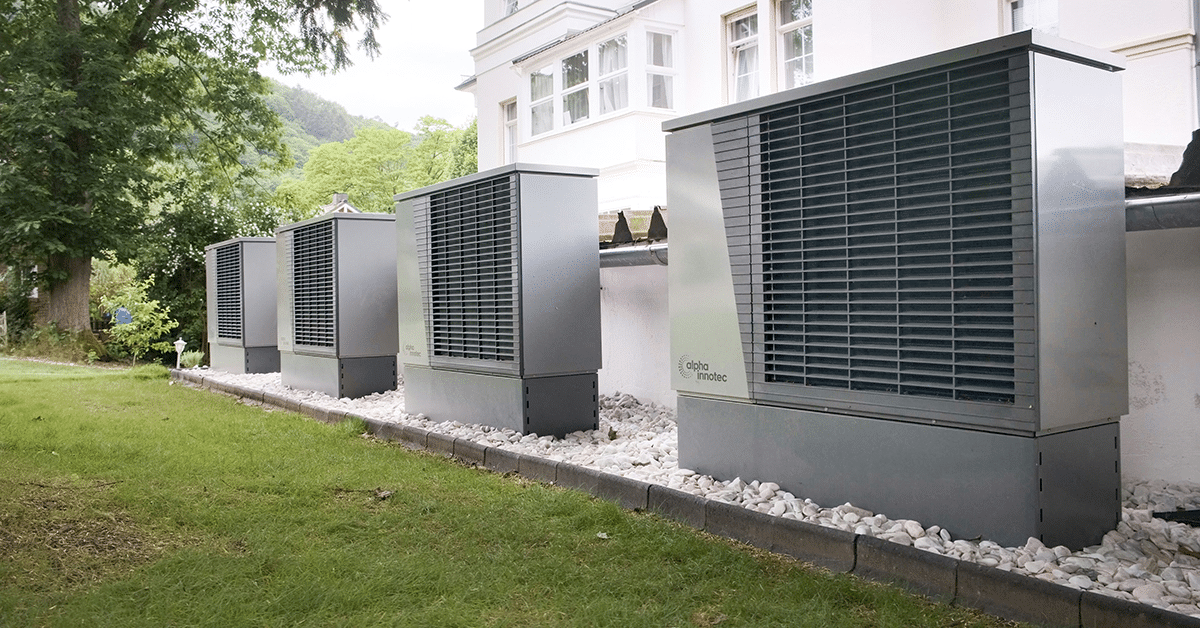
Industrial facilities are under growing pressure to reduce energy use, recover wasted heat, and lower reliance on fossil fuels. CO2 heat pumps offer one route by using carbon dioxide as a natural refrigerant to move thermal energy efficiently. Understanding how the technology works, where it fits, and what influences performance helps facilities evaluate its value.
Why CO2 Heat Pumps Matter for Industrial Heating
Industrial facilities often need large amounts of heat for processes such as drying, washing, pasteurization, and hot water production.
Traditionally, this demand has been met by boilers and heating systems that rely on fossil fuels, contributing to operating costs and greenhouse gas emissions. As manufacturers look for more efficient alternatives, the CO2 Heat Pump is gaining attention as a technology that combines heat recovery with the use of a natural refrigerant.
Carbon dioxide, also identified as CO₂ or R744 in refrigeration applications, has properties that make it suitable for specific heating and cooling systems. When used in a properly designed heat pump, it can transfer thermal energy from a low-temperature source to a process that requires higher temperatures. This approach can help industrial facilities reduce energy waste, improve thermal efficiency, and support their decarbonization strategies.
What Is a CO2 Heat Pump and How Does It Work?
A CO2 Heat Pump is a system that uses carbon dioxide as its refrigerant to transfer heat between different temperature levels. Instead of generating all the required heat through combustion or electrical resistance, the equipment captures thermal energy from an available source and upgrades it to a more useful temperature.
The process typically involves four main components: an evaporator, a compressor, a gas cooler, and an expansion valve. In a transcritical CO₂ cycle, the refrigerant absorbs heat in the evaporator and is compressed to a high pressure. It then releases heat in the gas cooler, where it can heat water or another process fluid. Finally, the pressure is reduced before the refrigerant returns to the evaporator and the cycle repeats.
Unlike conventional refrigeration cycles that condense the refrigerant at a temperature below its critical point, a transcritical CO₂ system rejects heat above carbon dioxide’s critical temperature. This changes how heat is transferred and makes the design of the gas cooler, operating pressure, and control system particularly important.
The result is a technology that can be adapted to applications requiring hot water, process heating, and, in certain configurations, higher-temperature thermal energy.
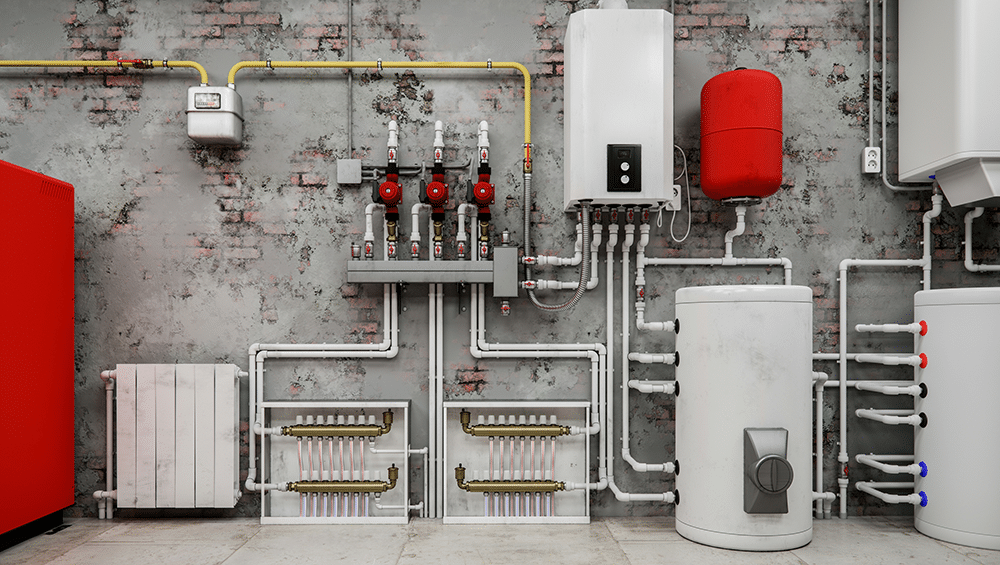
Why Use Carbon Dioxide as a Refrigerant?
Choosing a refrigerant is an important decision when designing an industrial heat pump. Carbon dioxide offers several characteristics that make it an interesting alternative to many synthetic refrigerants.
1. Low Global Warming Potential
CO₂ has a global warming potential (GWP) of 1 under the commonly used 100-year assessment framework. This makes it a low-GWP refrigerant compared with many synthetic alternatives.
Its environmental advantages are especially relevant as companies evaluate refrigeration and heating technologies in the context of emissions reduction. However, the overall environmental impact of a CO2 Heat Pump also depends on electricity consumption, system efficiency, refrigerant management, and the energy source it replaces.
2. Nonflammability
Carbon dioxide is classified as a nonflammable refrigerant under standard refrigerant safety classifications. This can be advantageous in applications where refrigerant flammability is a concern.
Nevertheless, CO₂ systems operate at high pressures and require appropriately rated components, suitable ventilation, pressure protection, and trained personnel. Carbon dioxide can also create an asphyxiation hazard if it accumulates in enclosed spaces, so proper installation and safety procedures remain essential.
3. Heat Transfer Performance
CO₂ has thermodynamic properties that can support efficient heat transfer in appropriately designed systems. In transcritical applications, the temperature of the refrigerant decreases as it releases heat through the gas cooler, which can be useful when heating water across a broad temperature range.
Actual performance depends on the heat source temperature, required outlet temperature, operating pressure, compressor design, and heat exchanger configuration. A technical assessment is therefore necessary to determine whether a CO2 Heat Pump is the most suitable option for a particular industrial process.
What Are the Benefits of a CO2 Heat Pump in Industrial Applications?
Industrial heating can account for a substantial share of a facility’s energy demand. Recovering available heat and reusing it can help reduce the amount of additional energy required to maintain production.
1. Waste Heat Recovery
Many industrial operations release heat through wastewater, cooling circuits, exhaust streams, and other process outputs. Depending on the temperature and consistency of these sources, some of that energy can be recovered and reused.
A CO2 Heat Pump can raise the temperature of recovered heat so that it becomes suitable for another process. For example, thermal energy from a cooling system may be used to preheat incoming water, reducing the heating load on a conventional boiler.
This approach can improve energy utilization across the facility and reduce the amount of heat that would otherwise be discharged into the environment.
2. Lower Energy Consumption
Heat pumps transfer thermal energy rather than relying exclusively on converting electricity into heat. Their efficiency is commonly measured using the coefficient of performance (COP), which compares the useful heat delivered with the energy consumed by the system.
A higher COP means that the equipment delivers more heat per unit of energy input. However, the COP of a CO2 Heat Pump varies significantly according to operating conditions, particularly the temperature difference between the heat source and the required heat output.
For this reason, efficiency calculations should reflect the facility’s actual operating temperatures and production schedule rather than relying solely on nominal equipment ratings.
3. Support for Industrial Decarbonization
Replacing part of a facility’s fossil-fuel-based heating demand with a heat pump can reduce direct combustion emissions. The extent of the reduction depends on the efficiency of the existing boiler, the electricity mix, and the performance of the new system.
When combined with renewable electricity and effective heat recovery, CO₂-based heat pump technology can form part of a broader strategy to electrify industrial heating and reduce dependence on fossil fuels.
Which Industries Can Benefit From CO2 Heat Pump Technology?
The suitability of a CO2 Heat Pump depends on the required temperature range, the availability of a heat source, and the characteristics of the production process. Several industries have applications worth evaluating.
- Food and beverage processing: Heating water for cleaning, washing, and selected production stages can create opportunities for heat recovery. Depending on system specifications, recovered energy may also support other thermal requirements within the facility.
- Commercial and industrial hot water systems: Facilities with consistent hot water demand may benefit from using recovered heat to reduce the energy required for water heating.
- Industrial manufacturing: Production lines that generate waste heat while requiring heat elsewhere may be able to integrate a heat pump into their existing thermal infrastructure.
- Drying and process heating: Certain drying operations and manufacturing processes may benefit from heat pump technology when the required temperature range matches the equipment’s capabilities.
Not every application is equally suitable. Processes that require very high temperatures may need specialized high-temperature heat pumps, a hybrid heating arrangement, or a conventional system to provide supplementary heat.
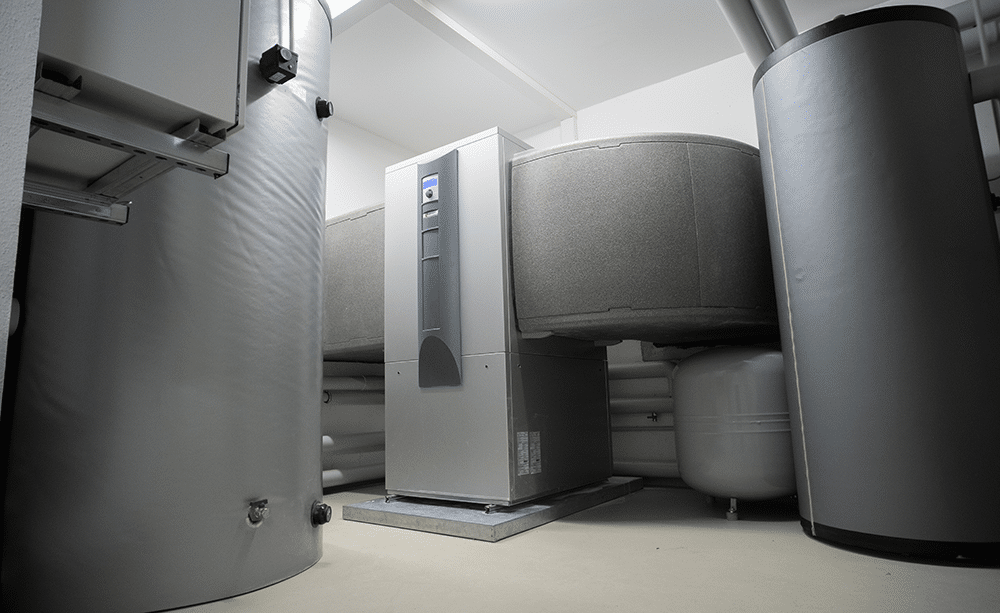
CO2 Heat Pump vs. Conventional Industrial Heating
Conventional boilers generate heat by burning fuel or, in some cases, by using electricity. Their performance depends on equipment design, operating conditions, and maintenance. A CO2 Heat Pump takes a different approach by using electricity to move heat from one source to another.
When a suitable heat source is available, this can reduce the amount of energy required to meet a given heating demand. It may also allow a facility to reuse thermal energy that would otherwise be lost.
However, the comparison should account for more than equipment efficiency. Installation costs, electrical infrastructure, operating temperatures, maintenance requirements, energy tariffs, and production reliability all affect the final decision.
In some facilities, the most practical solution is a hybrid system in which a CO2 Heat Pump supplies base heating demand while a boiler or another heating technology covers peak loads. This configuration can provide flexibility when the available waste heat fluctuates, or production requires temperatures beyond the heat pump’s efficient operating range.
What Should You Consider Before Installing a CO2 Heat Pump?
A successful installation begins with an assessment of the facility’s thermal requirements and existing energy infrastructure.
- Heat Source: Identify potential sources of recoverable heat and determine their temperature, flow rate, and availability throughout the production cycle.
- Required Temperature: Establish the target temperature for the process. The temperature lift, or the difference between the heat source and the heat output, strongly influences efficiency.
- System capacity: Match the equipment’s heating capacity to actual demand, including variations in production and peak operating periods.
- Operating Costs: Compare electricity prices with the cost of the energy currently used for heating. Include maintenance, installation, and potential infrastructure upgrades in the financial assessment.
- Safety and Maintenance: Confirm that components are rated for the system’s operating pressures and that the installation includes suitable protective devices, ventilation, and monitoring where required.
- Integration: Evaluate how the heat pump will connect to existing boilers, heat exchangers, storage tanks, and process controls. Proper integration helps ensure that recovered heat is used when and where it is needed.
A feasibility study should also estimate expected energy savings, emissions reductions, and the investment’s payback period under realistic operating conditions.
Is a CO2 Heat Pump the Right Choice for Your Facility?
A CO2 Heat Pump can be a valuable option for industrial facilities seeking to improve energy efficiency, recover waste heat, and reduce the environmental impact of their heating systems. Its suitability depends on the relationship between the available heat source, the required output temperature, and the facility’s operating profile.
Before selecting equipment, companies should compare available technologies and evaluate performance under actual process conditions. Understanding the temperature requirements, energy costs, installation constraints, and long-term maintenance needs helps identify the most appropriate solution.
As industrial operations place greater emphasis on efficient energy use, CO₂-based heat pumps offer a way to turn available thermal energy into a useful resource. With careful system design, effective integration, and continuous performance monitoring, this technology can support more efficient heating and contribute to long-term industrial sustainability.
CO2 heat pumps can help industrial facilities recover waste heat, reduce energy losses, and support lower-carbon heating strategies. Their value depends on operating temperatures, available heat sources, electricity costs, system integration, and maintenance, making careful feasibility assessment essential before investment.







Leave A Comment