
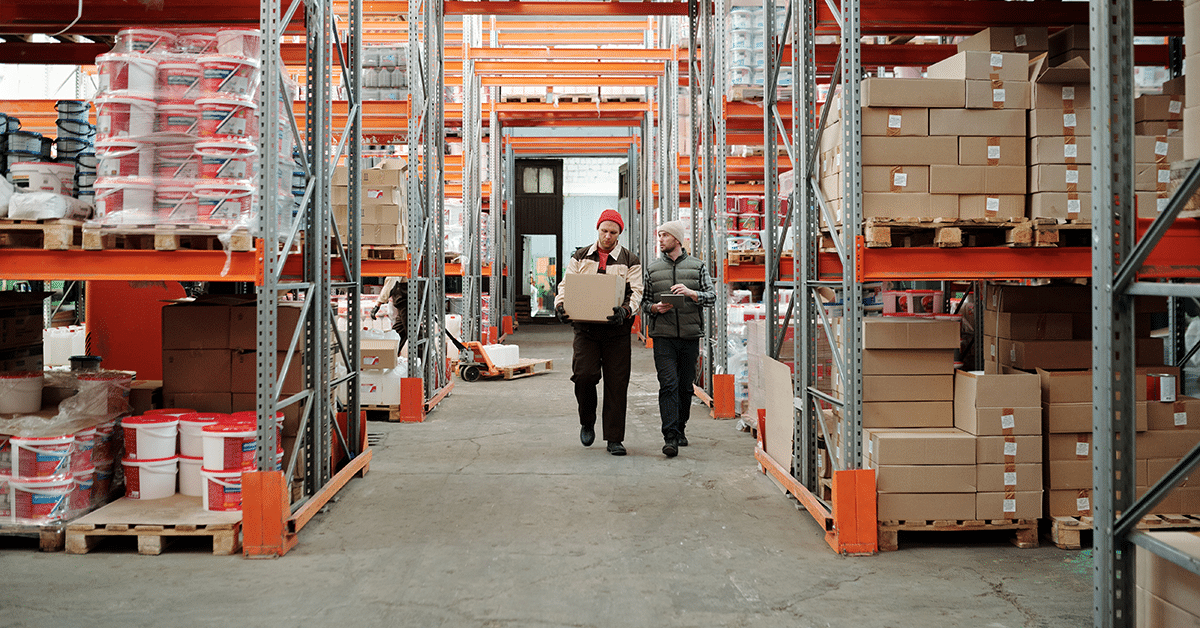
Steep increases in commercial rent and rising fulfillment demands put intense pressure on your warehouse floor. When every square foot of industrial space commands premium rates, expanding horizontally becomes an unsustainable strategy. Meeting modern order expectations demands a practical rethink of how your facility moves and stores inventory.
Implementing automated handling systems alongside modern software allows your team to expand operational capacity without securing additional building space.
How Do Escalating Footprint Costs Impact Your Warehouse?
Industrial leasing rates across major transportation hubs continue to surge, forcing logistics teams to examine every square yard of usable area. Expanding your physical footprint through new commercial leases adds significant overhead that erodes operating margins.
Warehouses planned around wide forklift aisles leave large amounts of usable space empty beneath high ceilings. Sticking with traditional floor-level racking restricts the volume of merchandise your team can store under a single roof.
Reporting from CFO Dive shows that persistent staffing shortages across industrial facilities continue to push financial planners toward automated material handling investments. Reallocating resources toward smart storage systems lets your facility handle higher order volumes without paying for satellite properties.
How Can Maximizing Vertical Cube Density Save Usable Space?
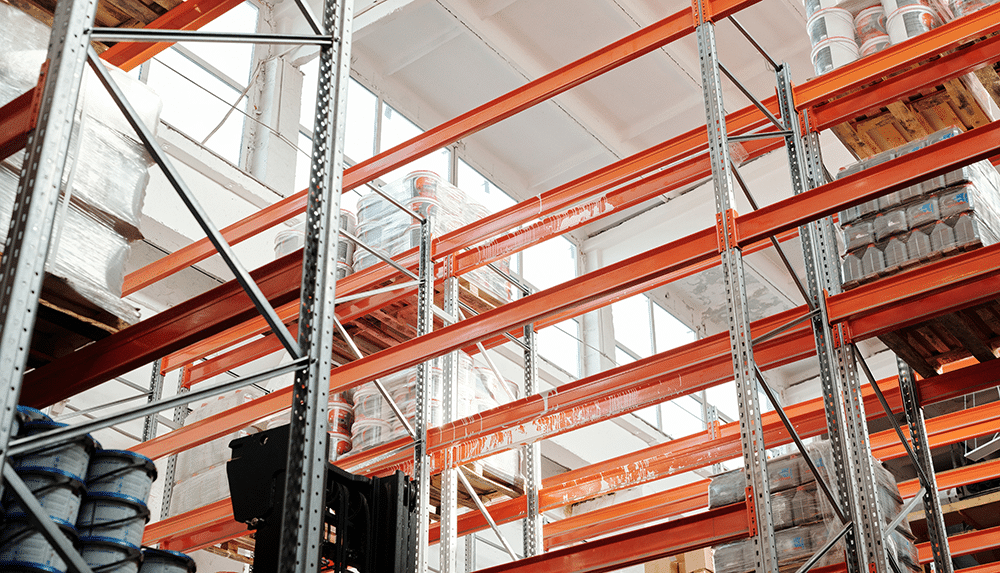
Most commercial distribution buildings leave up to 80% of their vertical volume unused. The empty clearance above standard shelving represents valuable room that could store high-velocity products.
Modern high-density systems eliminate this unused room by extending inventory capacity up toward the roof deck. Raising storage density allows your staff to consolidate scattered stock into a compact, organized staging zone.
Compressing your inventory footprint yields extra floor space for active dispatch zones and packing tables. Your staff gains room to stage outbound pallets without knocking down walls or leasing new space.
Deploying Specialized Automated Hardware for High-Density Storage
Specialized vertical lift modules and automated carousels provide substantial capacity gains over static pallet racks. These enclosed units feature adjustable trays that adjust to diverse item dimensions, maximizing internal storage capacity.
Automated systems bring inventory items directly to pickers instead of requiring workers to traverse lengthy aisles. By partnering with established automation specialists such as Vertical Storage USA to implement tailored machinery, your team can streamline picking paths while protecting high-value components. These vertical units bring parts straight to an ergonomic workstation at a comfortable handling height.
Your staff members spend their time completing orders rather than pacing across facility corridors. Enclosed units protect merchandise from dust, falling debris, and unauthorized handling. Built-in digital access gates safeguard sensitive goods while logging every inventory movement automatically.
Why Does Automated Retrieval Accelerate Order Picking Accuracy?
Manual order picking remains one of the largest sources of costly shipping mistakes in commercial fulfillment. Misread labels, misplaced boxes, and picker fatigue lead to returns, extra freight fees, and unhappy customers.
Goods-to-person equipment removes picking confusion by delivering the correct bin right to the operator console. Visual screen directions and pick-to-light indicators direct staff to the exact compartment, reducing error rates significantly.
A joint industry study from MHI and Deloitte revealed that 55% of logistics decision-makers are raising supply chain innovation budgets, with 60% planning investments above $1 million. Investing in automated retrieval safeguards customer satisfaction by helping your warehouse fill orders accurately on the first pass.
Integrating Physical Automation With Modern Warehouse Software
Automated machinery provides its greatest returns when linked directly to your core management platform. Connecting automated storage units to your warehouse management system bridges the gap between physical material handling and digital records.
Connecting mechanical storage hardware with management software requires a clear integration blueprint:
- Map Critical Data Points: Align product codes, bin addresses, and order priorities between machine microcontrollers and central databases.
- Standardize Scanning Routines: Provide barcode scanners at each pick station to verify product details before workers touch merchandise.
- Configure Replenishment Triggers: Set automated minimum thresholds in your management platform so retrieval systems replenish trays during quiet intervals.
Connected software synchronizes stock counts across your supply chain without manual data entry. The moment a worker pulls an item from a tray, central records reflect that movement across customer channels.
How Can Real-Time Data Synchronization Remove Inventory Bottlenecks?
Outdated inventory counts create operational blind spots that cause stockouts, shipping delays, and wasted warehouse hours when pickers spend time tracking down missing stock; loading operations stall.
Smart storage systems transmit live status logs into your operating system, verifying counts with every retrieval run. Integrated scales and internal sensors track tray weights continuously, flagging item discrepancies before cartons reach final staging.
Industry analysts at Logistics Management observed that live inventory tracking has shifted from an operational convenience into an absolute operational requirement for order processing. Maintaining live stock records gives your fulfillment crew the visibility needed to manage rapid inventory shifts smoothly.
Building lasting distribution resilience depends on spatial innovation and modern automated hardware. Making full use of your available ceiling height keeps overhead low while accelerating daily fulfillment output.
Modernizing your physical storage structure prepares your logistics operation for sustainable expansion. With high-density automated systems supporting your crew, your facility can handle expanding shipping volumes with speed and confidence.
Smart warehouse technology helps logistics teams use space more efficiently, reduce picking errors, and improve inventory visibility. By combining high-density storage, automated retrieval, and connected software, facilities can support higher order volumes without relying on costly physical expansion.





Leave A Comment