
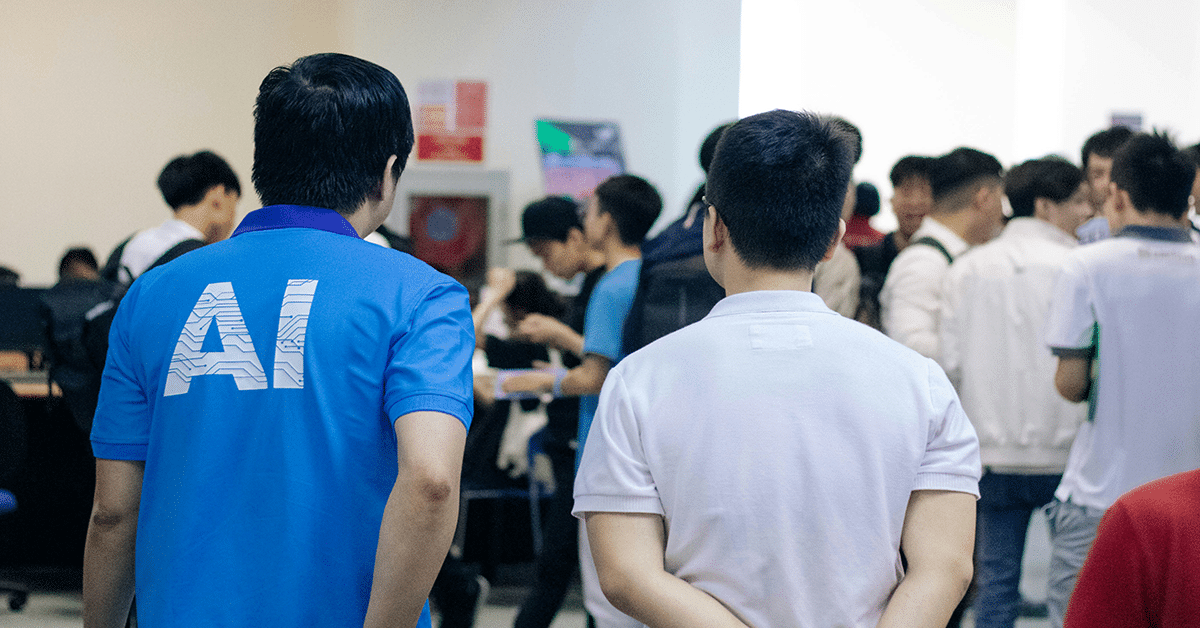
The integration of advanced technologies into the modern workplace is no longer a futuristic concept. It is a present reality that requires a fundamental shift in how organizations view their most valuable asset: their people. While the conversation often focuses on the capabilities of software, the true differentiator for successful companies remains how well their teams navigate this transition. Preparing a workforce involves more than a one-time training session. It requires a culture of continuous learning and a clear understanding of how human intuition complements digital precision.
In this article, you’ll learn how to prepare your workforce for AI automation, improve efficiency, and build a future-ready, adaptable organization.
The Reach of AI Automation
Technology has moved beyond simple programmed responses toward systems that can learn and adapt over time. When we discuss AI automation, we are looking at a spectrum of tools that handle everything from high-level decision support to repetitive administrative tasks. The goal is not to replace the human element but to augment it. By automating the mundane aspects of a role, employees are freed to engage in more creative, strategic, and empathetic work. This transition works best when leadership communicates a clear vision of how these tools serve as digital teammates rather than competitors for desk space.
Educating a workforce on these shifts requires transparency about the roadmap ahead. If teams understand that the intent is to reduce “tech friction” and “firefighting,” they are more likely to embrace new tools. Organizations that successfully implement these changes often find that employee well-being improves as the burden of monotonous labor lifts.
Leveraging Modern Tools for Efficiency
The current landscape is defined by the rise of artificial intelligence and its ability to process information at scales previously thought impossible. Much of this progress is driven by machine learning, which allows systems to improve their performance as they are exposed to more information. For many businesses, the most visible application of this is in large language models that assist with drafting communications or summarizing complex reports.
These advancements are particularly impactful in specific functional areas:
- Customer Support: Intelligent systems manage initial inquiries and provide instant answers, ensuring that human agents only step in for complex or sensitive issues.
- Content Generation: Marketing teams use these tools to brainstorm ideas and produce initial drafts, significantly speeding up the creative process.
- Data Entry: Automating the transfer of information between systems reduces human error and ensures that records remain updated in real time.
Integrating these tools requires a focus on “human-in-the-loop” systems. This means that while the machine handles the heavy lifting, the final oversight and ethical judgment remain with the human professional.
Enhancing Decision-Making Through Information
A significant advantage of a tech-enabled workforce is the ability to turn raw information into an actionable strategy. Through data analysis, teams identify patterns that might otherwise remain hidden in massive spreadsheets. This leads to more accurate predictive analytics, allowing leaders to anticipate market shifts or equipment maintenance needs before a crisis occurs.
In practical terms, this level of insight transforms operations like inventory management. Instead of relying on manual counts or best guesses, businesses use automated tracking to maintain optimal stock levels, reducing waste and ensuring availability. When people understand how to interpret these insights, they become more proactive and less reactive, leading to sustained cost savings and long-term stability.
Empowering employees with these insights also changes the nature of meetings and collaborative sessions. Instead of spending time debating the “what” of a situation, teams can focus on the “why” and the “how,” leading to faster innovation cycles and more resilient business models.
Optimizing the Modern Workflow
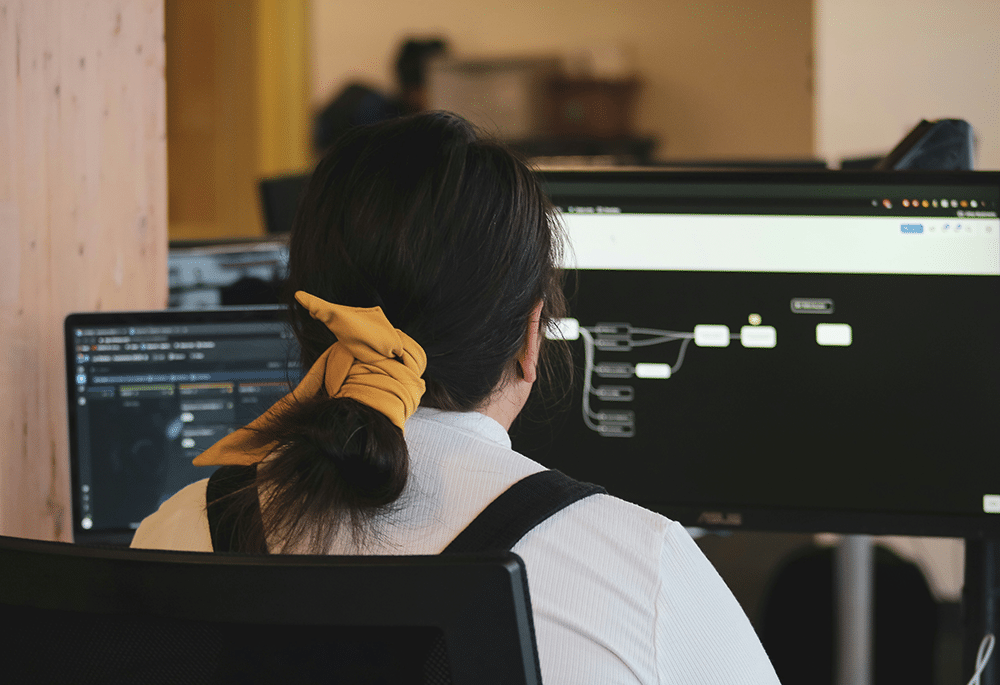
The final piece of the puzzle is workflow automation, which connects disparate tools into a cohesive system. When a team’s digital environment is unified, information flows seamlessly from one department to another without the need for manual intervention. This reduces the frustration employees feel when their tools make their jobs harder rather than easier.
To prepare for this, the workforce needs to develop “digital literacy” that goes beyond basic software use. Employees should be encouraged to look for opportunities where a process can be streamlined. A culture that rewards efficiency and process improvement ensures that the organization remains competitive.
Furthermore, a well-optimized workflow allows for better scalability. As a business grows, the automated portions of the operation handle the increased volume, while the human workforce focuses on deepening client relationships and expanding the service offering. This balance is key to maintaining a high standard of quality while pursuing aggressive growth targets.bv
Building a Future-Ready Workforce in the Age of AI
The age of automation is characterized by a partnership between human ingenuity and machine efficiency. Preparing your workforce for this era is an ongoing process of education, transparency, and strategic integration. By focusing on how these tools enhance individual roles and overall organizational health, businesses foster an environment where technology acts as an empowering force. The most resilient organizations will be those that view this shift not as a challenge to be managed, but as an opportunity to elevate the work their people do every day.
Preparing your workforce for AI automation is about balance. By combining technology with human skills, businesses can improve efficiency, strengthen decision-making, and create more meaningful work. Organizations that invest in people alongside technology will remain competitive and resilient in a rapidly evolving landscape.




Leave A Comment